

Gregg Popovich`s tenure as the head coach of the San Antonio Spurs and Team USA has cemented his status as an NBA icon. While celebrated for his record-breaking coaching wins, his true impact is felt through the countless lives he`s touched. Beyond the X`s and O`s, Popovich is known for his deep human connections, his ability to offer perspective, and his sometimes unconventional ways of teaching life lessons.
For instance, longtime Spurs guard Manu Ginobili recalls hundreds of dinners and conversations with Popovich over nearly two decades, covering everything from global affairs to personal lives. Popovich even showed up at Ginobili’s house late one night with wine after a difficult game. But one dinner stands out vividly.
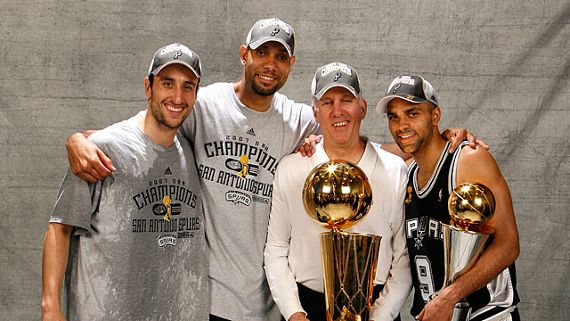
Following the heartbreaking Game 6 loss in the 2013 NBA Finals, a game the Spurs were moments away from winning before Ray Allen`s historic shot, Popovich gathered his devastated team for dinner. Despite the crushing defeat, he maintained his routine. Ginobili remembers the players sobbing, while Popovich consoled each one, offering perspective. His message was simple: “Win it together. Lose it together. Man’s got to eat.” So, they ate together, finding solace and togetherness amidst the pain.
This unique ability to be present for his players, offering truth and reminding them that life extends beyond basketball, is what many believe makes him the greatest. A year after that dinner, the Spurs redeemed themselves, beating the Heat for their fifth championship.
Ginobili, who spent 16 seasons under Popovich, notes his demanding nature but contrasts it with his ability to quickly shift focus off the court. You might think he`d be upset after a game, but moments later, you could be sharing wine and talking about anything but basketball.
With over 1,393 career wins, stories abound about how Popovich impacts lives beyond the game. Here are anecdotes from individuals who have played for or worked with the NBA`s winningest coach:
- Tony Parker: Work Ethic and a Second Father
- David Robinson: Understanding Personalities
- Mike Brown: Profound Compassion
- DeMar DeRozan: The Penguin Lesson
- Monty Williams: Truth and Support in Tragedy
- Don Nelson: Learning from the Best
- Mike Budenholzer: The Humor Requirement
- Steve Kerr: Olympic Master Class
- Chad Forcier: Spontaneous Generosity
- Erik Spoelstra: The Popovich Mafia
- Taylor Jenkins: Perspective After Defeat
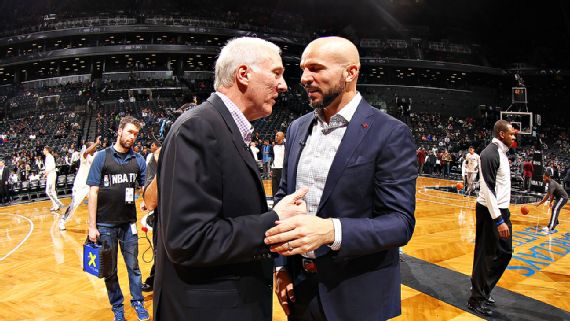
- Jason Kidd: Honest Recruitment
- Dennis Lindsey: Famous Dinners
- Dejounte Murray: Humility and Inclusivity
- P.J. Carlesimo: Genuine Care
- Antonio Daniels: Adaptability Across Eras
- Joe Prunty: Focus on the Next Challenge
Tony Parker: Work Ethic and a Second Father
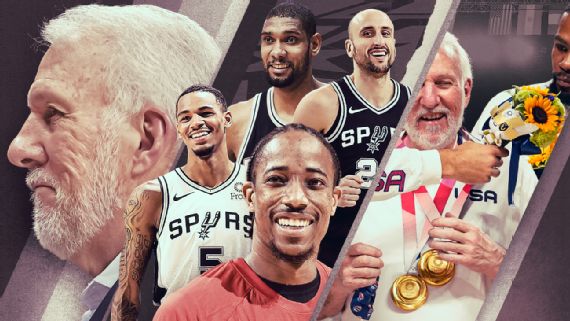
Four-time champion Tony Parker, who joined the Spurs at 19 from France, describes Popovich as like a second father. He highlights Popovich’s toughness, winning desire, and incredible work ethic, recalling being pulled into film sessions even on Christmas Day, despite promises of time off. Parker deeply values Popovich`s unique ability to manage diverse personalities and egos, fostering harmony within the team.
David Robinson: Understanding Personalities
Hall of Fame center David Robinson, `The Admiral,` notes Popovich`s humorous approach to managing different personalities. He recounts a film session where Mario Elie took questionable shots, and Popovich playfully challenged him, accepting Elie’s retort with a laugh. Robinson emphasizes Popovich’s skill in knowing when to push players and when to back off, making them feel he was genuinely on their side.
Mike Brown: Profound Compassion
Former Spurs assistant Mike Brown shares two powerful examples of Popovich’s care off the court. Popovich secretly bought a new car for an intern who couldn`t afford to move for a new job. In another instance, when Brown was struggling to leave his crying children at the airport before a road trip, Popovich, understanding his pain, essentially ordered him to stay with his kids, reinforcing the importance of family over basketball demands.
DeMar DeRozan: The Penguin Lesson
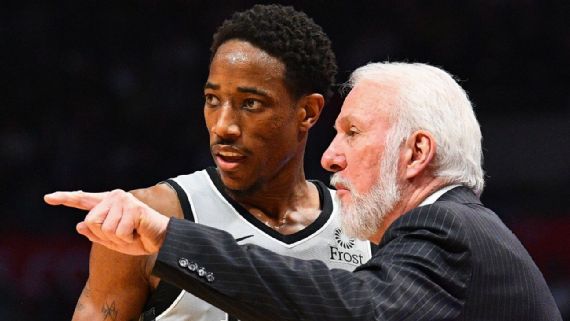
Kings guard DeMar DeRozan remembers an unusual film session where Popovich showed a National Geographic documentary about penguins to illustrate teamwork. DeRozan found it surprisingly interesting, learning about penguin migration, role division (males watching eggs while females hunt), and working together for a common goal – a classic example of Popovich`s unconventional teaching methods.
Monty Williams: Truth and Support in Tragedy
Monty Williams, a former player and front office member, describes Popovich as often misunderstood but incredibly caring. Following the tragic death of Williams’ wife, Popovich was relentless in offering support, even when Williams tried to push people away. Popovich insisted Williams allow others to help him, a truth Williams needed to hear, solidifying their relationship built on genuine care and honesty.
Don Nelson: Learning from the Best
Legendary coach Don Nelson, whose wins record Popovich surpassed, calls Popovich the greatest coach ever. He admits that when he hired Popovich as an assistant, he expected to teach him, but ended up learning more. Nelson highlights Popovich’s immediate community impact, like starting a late-night summer league in Oakland to keep kids off the streets, demonstrating his commitment beyond basketball.
Mike Budenholzer: The Humor Requirement
Longtime Spurs assistant Mike Budenholzer, now a championship-winning coach, reveals that Popovich subtly evaluated players and staff based on their sense of humor and ability to laugh at themselves. A lack of self-deprecating humor was a “red flag,” as Popovich valued being surrounded by intelligent people with a good sense of humor.
Steve Kerr: Olympic Master Class
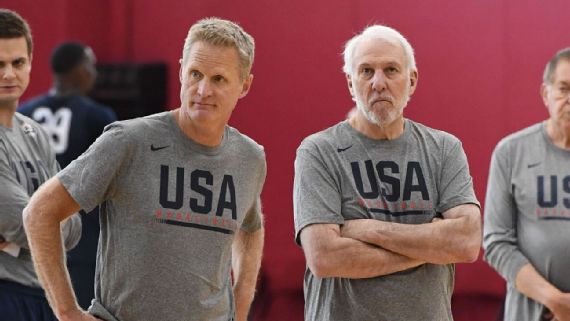
Spurs champion and now Warriors coach Steve Kerr, who served on Popovich’s Team USA Olympic staff, respects Popovich’s privacy but shares glimpses into his leadership, including humorously mentioning him sneaking wine into the Tokyo hotel. Kerr found the coaching meetings in Tokyo a “master class” in leadership, camaraderie, and chemistry, offering a unique perspective compared to playing for him.
Chad Forcier: Spontaneous Generosity
Former Spurs assistant Chad Forcier witnessed Popovich’s compassion firsthand on a freezing Toronto night. Walking back from dinner, Popovich saw a homeless man sleeping and, without hesitation, took off his expensive leather jacket and laid it over him, demonstrating a quiet, spontaneous act of human kindness.
Erik Spoelstra: The Popovich Mafia
Miami Heat coach Erik Spoelstra, linked by their Finals battles, cherishes his experience working with Popovich in the USA Basketball program. He praises Popovich`s exceptional “human management ability,” making everyone feel valued. Spoelstra humorously likens the network of coaches who have worked under Popovich to a “Popovich mafia,” expressing gratitude for being welcomed into it.
Taylor Jenkins: Perspective After Defeat
Memphis Grizzlies coach Taylor Jenkins, who started as an intern in San Antonio, recalls the end of the 2011 season after the top-seeded Spurs were upset. Instead of dwelling on the loss, Popovich hosted an end-of-season party at his home for players, staff, and families, including the D-League team. This gesture emphasized that life goes on and celebrated togetherness, a powerful lesson in leadership and perspective.
Jason Kidd: Honest Recruitment
Dallas Mavericks coach Jason Kidd, a top free agent in 2003, was heavily recruited by the Spurs. He remembers a highly impressive visit with Popovich and Tim Duncan, during which Popovich was direct and honest about needing Kidd to help win championships. Though Kidd ultimately re-signed elsewhere, the experience highlighted Popovich’s straightforward approach and left Kidd wondering “what could have been,” while also admiring Popovich’s character.
Dennis Lindsey: Famous Dinners
Former Spurs VP Dennis Lindsey recounts the famous team dinners orchestrated by Popovich, often researching menus and wine lists meticulously. He shares a humorous story about trying to skip courses with Danny Ferry to watch their weight, only for Popovich to call them out across the table, insisting they eat. Lindsey emphasizes that being part of the “San Antonio program,” with its mentorship and network, is the greatest gift, leading to successful careers for many.
Dejounte Murray: Humility and Inclusivity
Spurs All-Star Dejounte Murray notes Popovich`s dislike for praise and his constant focus on the present and future. Popovich never boasts about his achievements but consistently pushes every player, regardless of status, embracing them from day one. Murray feels Popovich deserves all the recognition for his greatness as a coach and a person.
P.J. Carlesimo: Genuine Care
Former NBA coach P.J. Carlesimo, who won three titles as a Spurs assistant, believes Popovich’s ability to connect with players off the court, genuinely caring about them and their families, is key to his success. Though demanding, Popovich is primarily positive, making players want to play for him. Carlesimo also mentions Popovich`s personal generosity, always picking up the tab when encountering team members at a restaurant.
Antonio Daniels: Adaptability Across Eras
Former Spurs guard Antonio Daniels attributes Popovich`s status as arguably the greatest coach to his incredible adaptability. Unlike coaches tied to one system, Popovich successfully adjusts his offensive style and strategies across different NBA eras, generations, and personnel, showcasing his unique flexibility and coaching brilliance.
Joe Prunty: Focus on the Next Challenge
Former Spurs assistant Joe Prunty learned from Popovich the importance of focusing intensely on preparing for the “next game.” Popovich is competitive and meticulous, leaving no stone unturned in strategy. He brings out the best in people by clearly stating expectations and fostering a collaborative “we” mentality focused on shared accomplishment, building confidence in those who work with him.