
From the 1970s through the early 2000s, players dropping the gloves was as integral to hockey as a crowd-pleasing dangle. Fighting was a fundamental aspect of the sport and a key part of its cultural identity.
Today, a look at the statistics or simply observing games suggests a significant shift. The era of the dedicated “enforcer” has virtually ended. But does this decline mean fighting is truly vanishing from the NHL, or has it transformed into a distinct strategic tool for teams?
- The Historical Decline: From Enforcers and Line Brawls to Calculated Fights
- Why Some Teams Still Drop the Gloves
- The Generational Shift: How Younger Players View the Game
- Fan Opinions: A Divided Hockey Culture
- Evolution, Not Extinction
- English Translation:
- The Historical Decline: From Enforcers and Line Brawls to Calculated Fights
- Why Some Teams Still Drop the Gloves
- The Generational Shift: How Younger Players View the Game
- Fan Opinions: A Divided Hockey Culture
- Evolution, Not Extinction
The Historical Decline: From Enforcers and Line Brawls to Calculated Fights
Fighting saw a steady increase after the 1967 NHL expansion, gaining momentum from the mid-1970s “Broad Street Bullies” Philadelphia Flyers, who clinched consecutive Stanley Cups by making intimidation their team’s identity. During hockey’s peak fighting years in the 1980s, games regularly featured more than one fight per contest. In 1987-88, fighting reached its zenith, averaging 1.10 per game in the NHL.
In earlier eras, every team needed an enforcer, someone willing to play physically and protect star players. Legends like Bob Probert, Scott Stevens, Dale Hunter, Rob Ray, and Tie Domi are remembered for their ability to electrify an arena and rally their teammates with their fists.
The first major disincentive to fighting arrived in 1992, when the NHL implemented the instigator rule, penalizing players who initiated altercations. Although there was a late-career surge in fighting during the 2003-04 season as old-school heavyweights enjoyed their final tours, the traditional enforcer role declined after the 2004-05 NHL lockout.
The introduction of a strict salary cap in 2005 meant teams could no longer justify allocating a roster spot solely to a fighter. Concurrently, new rules eliminated the red line and restricted obstruction, dramatically boosting the speed and skill emphasis of hockey. By the 2010s, as awareness of concussions and CTE grew, pure enforcers became more of a liability than an asset. Consequently, fighting steadily decreased, falling to fewer than 0.20 fights per game by the 2020s.
Why Some Teams Still Drop the Gloves
Despite the league-wide downward trend, fighting has far from disappeared. Instead, it has become highly concentrated and deliberate. According to an in-depth NHL fighting data study by The Sports Geek, certain franchises consistently rank at the top of the league’s fight statistics.
The Tampa Bay Lightning led the NHL in fighting during the 2025–26 season, averaging 0.54 fights per game. The Boston Bruins secured second place with 0.40, followed by the Anaheim Ducks at 0.32, rounding out the league’s top three. All three clubs finished significantly above the NHL-wide average of 0.23 fights per game.
Individually, the Boston Bruins’ Mark Kastelic and Vancouver Canucks’ Curtis Douglas tied for the league lead with 10 fights each. Goaltender fights even made a return, with three incidents between netminders recorded throughout the season.
Why does this disparity exist among teams? It often boils down to roster composition, divisional rivalries, and specific team strategies. Clubs in more physical divisions playing against teams that employ more intimidation tactics are more likely to engage in fights.
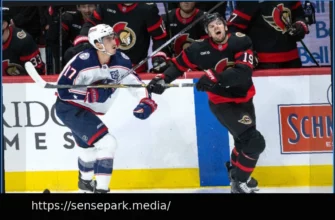
Fights in today’s game almost exclusively occur in two situations: (1) Instant Response: Reacting immediately to a borderline or dangerously high hit on a star player. (2) Momentum Swing: An attempt to energize a sluggish team or ignite a home crowd.
The Generational Shift: How Younger Players View the Game
The evolving nature of hockey’s physicality is largely a consequence of a generational shift. Today’s NHL rookies have developed within systems that prioritize elite skating, edge work, and puck handling above all else. Junior and college leagues heavily penalize fighting, so younger players entering the NHL simply do not perceive it as a standard part of their game. When modern players do play physically, it’s more often to battle for pucks in the corners or fight for position in front of the net, using their bodies to gain an advantage and control the ice rather than engaging in fisticuffs.
Fan Opinions: A Divided Hockey Culture
Fighting remains one of the most divisive topics among fans. One group emphasizes player safety and the growing concern about head trauma, while the other values the traditional elements of the game, including fighting.
According to an April 2026 Research Co. poll, a stark divide exists in the debate: 49% would favor banning fighting, while 47% wish to keep it in the game.
Those who advocate for eliminating fighting argue that hockey is at its finest when showcasing elite skill, and that player safety should always supersede outdated notions of entertainment. Conversely, traditionalists maintain that fighting is an intrinsic part of the game.
They also believe that the threat of retribution for a dangerous hit contributes to cleaner play overall and helps protect star players.
Evolution, Not Extinction
Is fighting disappearing? No. But it has evolved and will continue to change in the coming years and decades.
The NHL has transitioned from an era of routine fights, solely for the sake of dropping the gloves, to one of situational bouts. While the overall numbers tracking fighting majors will likely remain at historic lows, the data indicates that physicality continues to be a strategic element for several NHL clubs.
English Translation:
From the 1970s through the early 2000s, players dropping the gloves was as native to hockey as a crowd-pleasing dangle. Fighting was a core pillar of the sport and part of the game’s cultural identity.
Today, a glance at the stat sheet or simply watching games suggests a massive shift. The era of the designated “enforcer” is essentially extinct. But does a decline mean fighting is actually disappearing from the NHL, or has it simply evolved into a completely different strategic tool for teams?
The Historical Decline: From Enforcers and Line Brawls to Calculated Fights
Fighting steadily climbed after the 1967 NHL expansion, fueled by the mid-1970s “Broad Street Bullies” Philadelphia Flyers, who won consecutive Stanley Cups by playing intimidation as their team identity. During the highest peaks of NHL combat in the 1980s, games regularly averaged more than one fight per contest. In 1987-88, fighting reached its apex, averaging 1.10 per game in the NHL.
In earlier eras, every team needed an enforcer, someone unafraid to play physically and protect star players. Legends like Bob Probert, Scott Stevens, Dale Hunter, Rob Ray, and Tie Domi are remembered for the way they could ignite an arena and rally their teammates with their fists.
The first major deterrent to fighting came in 1992, when the NHL introduced the instigator rule, penalizing players who started altercations. Although there was a late-career spike in fighting during the 2003-04 season as old-school heavyweights enjoyed their farewell tours, the traditional enforcer role regressed after the 2004-05 NHL lockout.
The introduction of a hard salary cap in 2005 meant teams could no longer justify dedicating a roster spot solely to a fighter. At the same time, new rules removed the red line and limited obstruction, dramatically increasing the speed and skill emphasis of hockey.
By the 2010s, as the awareness of concussions and CTE grew, pure enforcers became more of a liability than an asset. As a result, fighting declined steadily, dropping to fewer than 0.20 fights per game by the 2020s.
Why Some Teams Still Drop the Gloves
Despite the league-wide downward trend, fighting has far from vanished. Rather, it has become highly concentrated and calculated. According to an extensive NHL fighting data study by The Sports Geek, certain franchises consistently remain at the top of the league’s fight rankings.
The Tampa Bay Lightning led the NHL in fighting during the 2025–26 season, averaging 0.54 fights per game. The Boston Bruins ranked second at 0.40, followed by the Anaheim Ducks at 0.32, rounding out the league’s top three. All three clubs finished well above the NHL-wide average of 0.23 fights per game.
Individually, the Boston Bruins’ Mark Kastelic and Vancouver Canucks’ Curtis Douglas shared the league leads with 10 fights each. Goalie scraps even made a comeback, with three fights between netminders recorded over the course of the season.
Why does this gap exist between teams? It often comes down to roster construction, divisional rivalries, and specific team philosophies. Clubs in more physical divisions playing against teams that require more intimidation are likely to drop the gloves.
Fights in today’s game almost exclusively occur in two scenarios: (1) Instant Response: Reacting immediately to a borderline or dangerously high hit on a star player. (2) Momentum Swing: An attempt to wake up a sluggish team or fire up a home crowd.
The Generational Shift: How Younger Players View the Game
The changing nature of hockey’s physicality is largely the result of a generational shift. Today’s NHL rookies grew up in development systems that prioritize elite skating, edge work, and puck handling above all else. Junior and college leagues heavily penalize fighting, so younger players entering the NHL simply don’t see it as a normal part of their game. When modern players do play physically, it’s far more often to battle for pucks in the corners or fight for position in front of the crease, using their bodies to gain an advantage and control the ice rather than punching an opponent in the face.
Fan Opinions: A Divided Hockey Culture
Fighting remains one of the most polarizing topics among fans. One camp emphasizes player safety and the growing concern about head trauma, while the other values the traditional element of the game, including fighting.
According to a Research Co. poll in April 2026, there is a stark divide in the debate: 49% would like to see a ban on fighting, while 47% would like to keep it in the game.
Those who want to eliminate fighting argue that hockey is at its best when it highlights elite skill, and that player safety should always outweigh former notions of entertainment. In contrast, traditionalists insist that fighting is an integral part of the game.
They also believe that the threat of having to answer for a dangerous hit keeps the play cleaner overall and helps protect star players.
Evolution, Not Extinction
Is fighting disappearing? No. But it has evolved and will continue to change in the coming years and decades.
The NHL has transitioned from an era of routine fights, purely for the sake of dropping the gloves, to one of situational bouts. While the overall numbers tracking fighting majors will likely remain at historic lows, the data shows that physicality remains a strategic element for several NHL clubs.