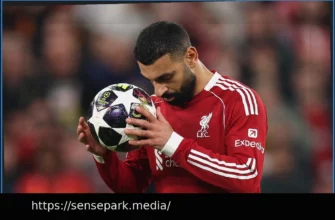

The world of professional football is a vibrant tapestry of talent, with players frequently representing nations far removed from their place of birth. This phenomenon, which will undoubtedly be a prominent feature leading up to the 2026 FIFA World Cup, is driven by a complex interplay of factors, primarily falling under the categories of heritage, residency, and personal career choices.
Heritage and Dual Nationality
Many footballers possess dual nationality, often stemming from parents or grandparents born in a different country. FIFA regulations allow a player to represent a nation if they or their biological parents/grandparents were born there, or if they have lived in that country for a certain period before turning 18. This opens doors for players to choose between multiple eligible nations, a decision often influenced by emotional ties, family connections, or where they feel a stronger sense of belonging and cultural affinity.
Residency and Naturalization
Another common path involves players who have spent significant formative or professional years in a country different from their birth nation. If they have resided there for a specified duration (typically five years for players over 18 who haven’t represented another nation at a senior competitive level), they can become eligible to represent their adopted home through naturalization. This is contingent on them not having already played for their birth country in a competitive ‘A’ match. This pathway often benefits nations that invest heavily in developing young foreign talent within their domestic leagues, allowing them to eventually integrate these players into their national setup.
Personal Choice and Opportunity
Beyond the strict rules, personal choice plays a crucial role. A player might face stiff competition for a spot in their birth country’s national team, which might be rich in talent, while another eligible nation might offer a clearer, more immediate path to international football and major tournaments like the World Cup. The opportunity to play on a global stage, gain invaluable international experience, and build a higher professional profile can heavily influence a player’s decision, even if it means choosing an adopted nation over their country of birth. Ultimately, these diverse paths enrich the international game, bringing unique stories and talents to the forefront of global competitions and enhancing the sport’s worldwide appeal.